I’ve written about being a “lifelong learner” in the past. I wanted to revisit the idea because it seems like things are changing so rapidly these days, there is always more to know and learn. With the advent of artificial intelligence, I hear a lot of uncertainty – what it is, what it means for the future, how to use it, and so forth. I’ve been trying to learn as much as I can about it because, like it or not, it’s here and rapidly becoming part of our experience in one way or another. I find that the more I know about it, the less apprehensive I feel about its use, both the why and the how.
We are fortunate to live in a time where we have so many opportunities for the discovery of new ideas, for learning, for travel, for occasions to be exposed to new people and new cultures. The possibilities are infinite. Depending on your interests and personal taste, there are classes out there in, well, just about anything. There’s something for anyone and anything you want to learn – languages, cooking, meditation, creative writing, computing, do-it-yourself kitchen design, gardening, Latin dance. There are also some I had never considered such as recreational tree climbing (I did not make that up). (By the way, Cornell University now offers a course in tree climbing, which is also recommended for students planning careers in the rain forest.) If you are interested in getting more fit, there is everything from yoga and pilates, to boot camp and belly dancing. And there are a multitude of others available, in just about anything you can think of. There is also an endless number and variety of special-interest groups, clubs, and meetups available.
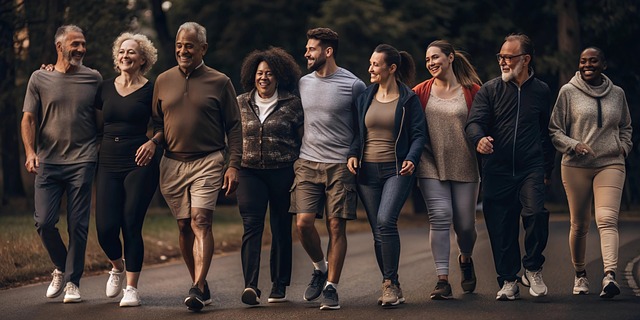
Those are just a few examples. The idea is to continue to grow, to move forward, and expand your horizons, and yourself, your circle of life.
There are many benefits to learning throughout the course of one’s life, Research studies have shown that keeping your brain engaged not only improves functioning and memory, but can also help to stave off both mental and physical ailments. It keeps you young mentally and physically. It also keeps you engaged and connected with the world around you, and helps individuals be more adaptable to change. People who are lifelong learners are more fulfilled, and find their lives more meaningful. And it’s fun, especially when you get to choose what interests you, what you enjoy the most. There are no requirements – what have you always wanted to learn, to do, to know more about?
Being a lifelong learner doesn’t have to involve traditional classes, although it can. There are lots of avenues to learning. Attending lectures, joining a museum program, or buying season tickets to a local theater or dance company is one idea. Some individuals choose to learn various subjects online or by self-study.
Travel to different parts of the country, or world, and learning about the local history or culture is a great way to learn. You can start a book club with friends to read the classics. Here’s a few suggestions on ways to cultivate the habit of learning:
1. Books. Always have a book on hand to read. Reading is the one of the best and easiest ways to learn. It’s free, it’s portable, and it’s always available. It makes you smarter, enhances your vocabulary, and improves your writing skills. You can find a book on any subject under the sun. What more could you ask for?
2. Pick Something. That’s right, choose something you have always wanted to know more about, or do, and find out more about it. If it’s a skill that can be applied while you learn, even better. Maybe you have always wanted to learn to cook gourmet meals. Read books, take a cooking class, visit websites of chefs you admire, and subscribe to their blogs. Then surprise your family or invite some friends over for a special meal. You may end up surprising yourself, too.
3. Challenge Yourself. There is nothing like moving out of our comfort zone to shake things up. In a good way. Staying within our comfort zone may be safe, but it doesn’t give us much opportunity to grow over time. Trying something new can offer delightful payoffs. You can acquire a new skill, expand your knowledge base, meet new people, and experience the thrill of facing a challenge and succeeding.
4. Have Smart Friends. This doesn’t mean screening potential friendships and only admitting those with advanced degrees. It does mean surrounding yourself with people who are interested in the world, who appreciate intellectual pursuits, who enjoy the arts and culture, and like to learn new things. Some of this is bound to rub off on you.
5. Have Different Friends. Having a variety of friends is a great way to learn about and appreciate new things. Having friends of all ages is one example. We can learn so much from those who are older and wiser, and have been around the block a few times. Likewise, having friends who are younger can help us retain a younger mindset, as well as encourage us to look at life through a fresher perspective. It’s often said that “What we teach, we learn.” Mentoring, whether formally in a career or volunteer situation, or informally to a younger friend, can bring great rewards and expansion of oneself. Likewise, having friends from different backgrounds, ethnicities, and cultures is a way to experience and learn about how others live, and what they value.
Being a lifelong learner is all about becoming a fuller person. When you become a fuller person, you are bound to live a fuller, more vibrant life. Like anything else, you have to make it a priority, but the rewards you get back, the people you meet, and the opportunities and enjoyment it brings, are more than worth the effort. Take the first step – you never know where it can lead you.