When most people think about healthy aging, they focus on heart health or keeping their minds sharp. Yet one of the greatest threats to independence after age 60 often goes unnoticed: the gradual loss of muscle mass, known as sarcopenia. I’ve discussed sarcopenia here before but it’s been a while and well worth a reminder.
Beginning around age 30, we naturally lose small amounts of muscle each decade. After age 60, that process accelerates. Without enough muscle, everyday activities such as climbing stairs, carrying groceries, or getting up from a chair become increasingly difficult. Muscle loss also increases the risk of falls, fractures, loss of independence, and even chronic disease.
There is good news, though. Research consistently shows that one of the most effective ways to preserve muscle is through a combination of adequate protein intake and regular strength training. Protein provides the amino acids our bodies need to repair and build muscle tissue. Unfortunately, many older adults don’t consume enough protein, especially at breakfast and lunch. Instead of eating most of your daily protein at dinner, experts now recommend spreading protein intake evenly throughout the day to maximize muscle protein synthesis.
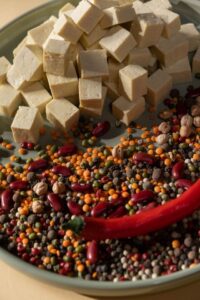
Excellent sources of protein include fish, poultry, eggs, Greek yogurt, cottage cheese, beans, lentils, tofu, and lean meats. Many healthy older adults benefit from aiming for 25–30 grams of protein at each meal, although individual needs vary depending on activity level and medical conditions. Of course, protein alone isn’t enough. Resistance exercises such as lifting weights, using resistance bands, or performing bodyweight exercises signal your muscles to grow stronger. Even two or three strength-training sessions each week can produce meaningful improvements in muscle strength and function.
Another concern as we age is osteoporosis, which is often seen in older adults and postmenopausal women. This can result in weaker bones and increased fracture risk. Strength training, however, is an effective, evidence-based approach for improving bone health and reducing osteoporosis risk. Regular strength training exercises enhance bone mineral density, increase muscle mass, and improve balance, thereby minimizing the likelihood of falls and fractures.
Healthy longevity isn’t just about living longer—it’s about living well. By prioritizing protein-rich meals and maintaining your muscle strength, you’re investing in your future mobility, independence, and vitality. It’s never too early—or too late—to give your muscles the attention they deserve.
Today’s Takeaway – What’s at least one thing you can do to increase your protein intake this week? A simple way might be adding in a protein shake consisting of protein powder, fruit, some almond or rice milk, perhaps some juice or whatever you would like to add. This could be a complete breakfast or a mid-day boost. Get creative and see what you come up with.
As per usual, I will be taking the month of August off from sending these. Enjoy the rest of your summer and I will see you in September!